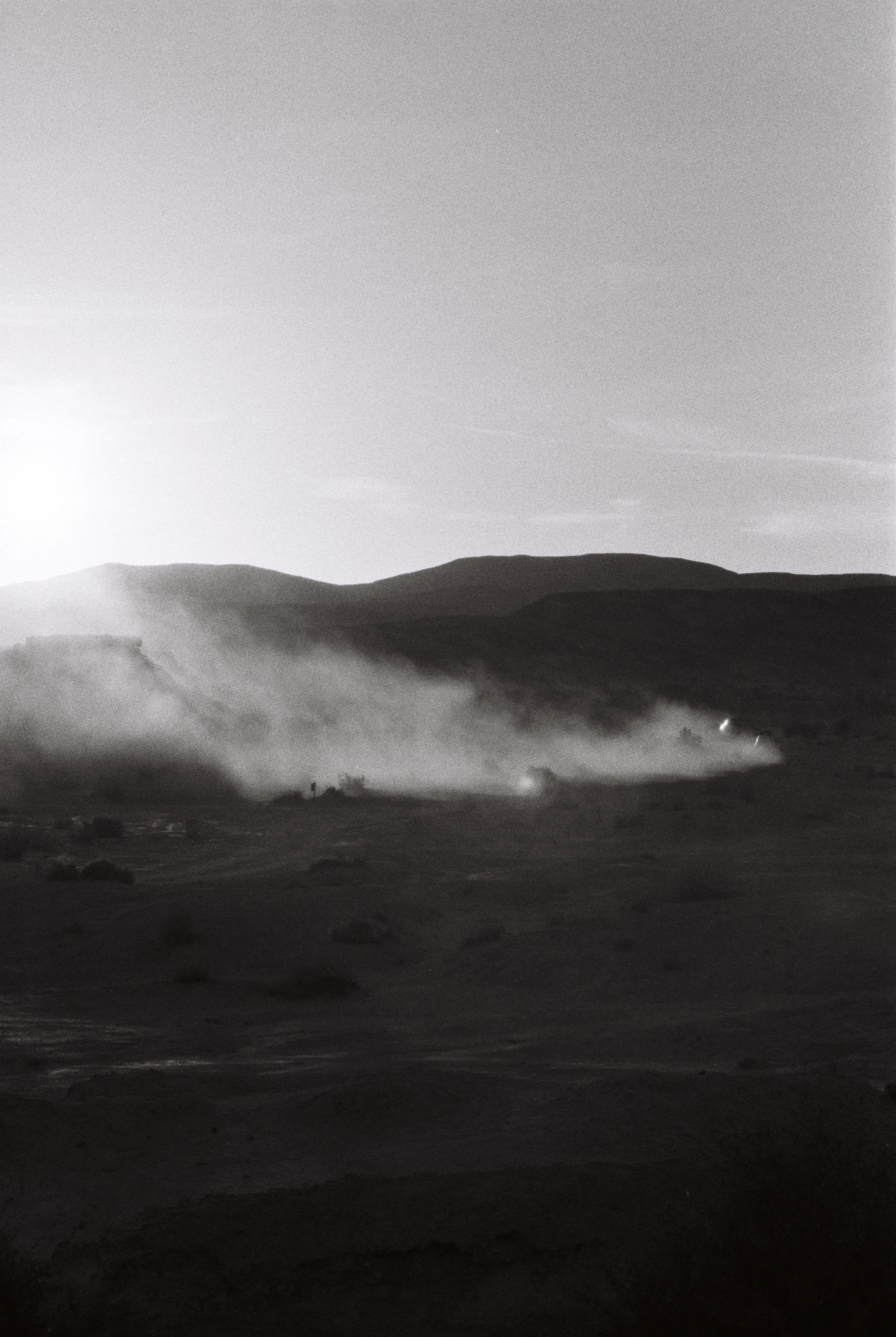
The sea, a mysterious and inexplicably undiscovered place. On first thoughts, the mind floods with images of luminescent creatures, risks of life and the plight of very few fascinated to discover what is below, with almost impenetrable impossibilities.
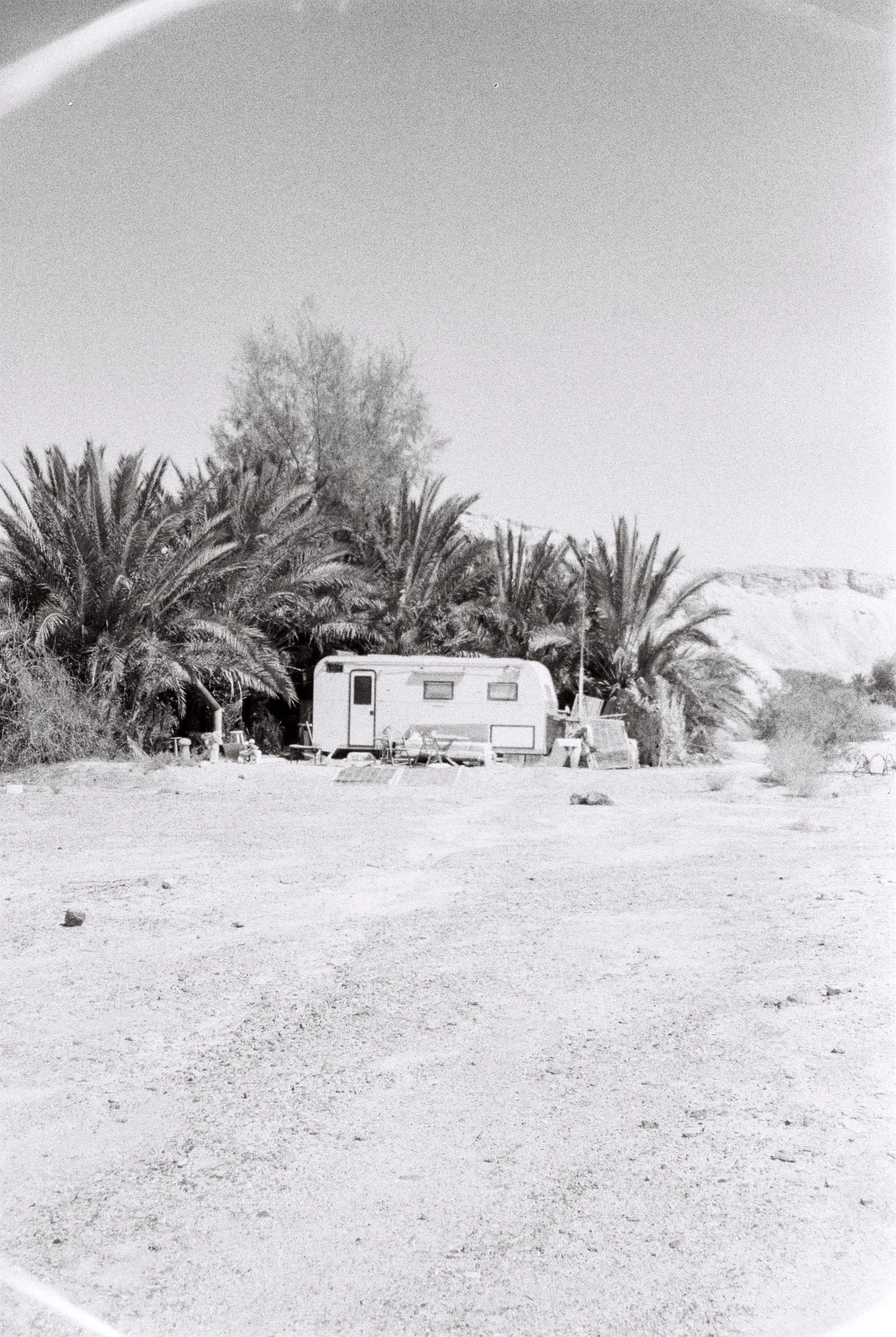
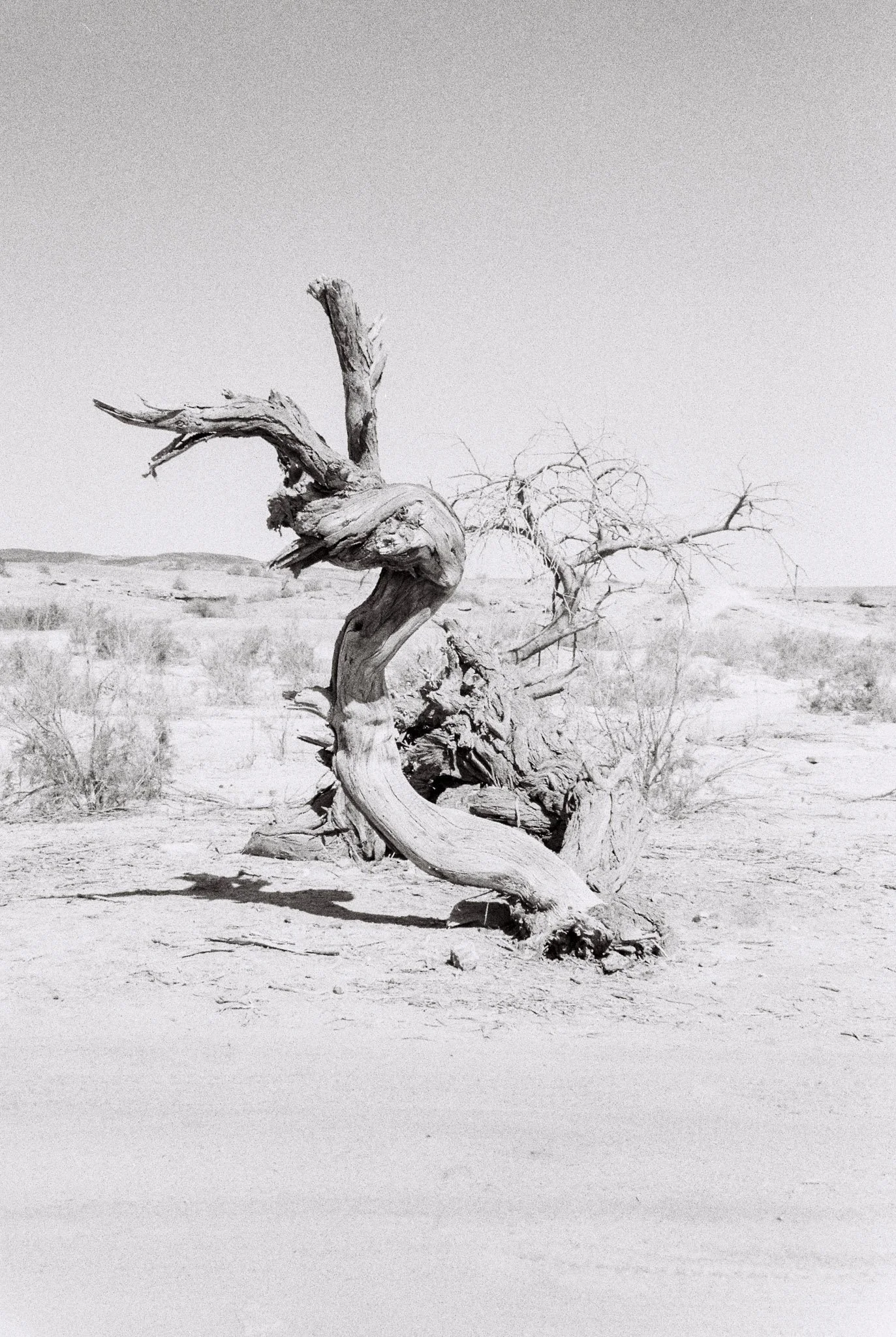
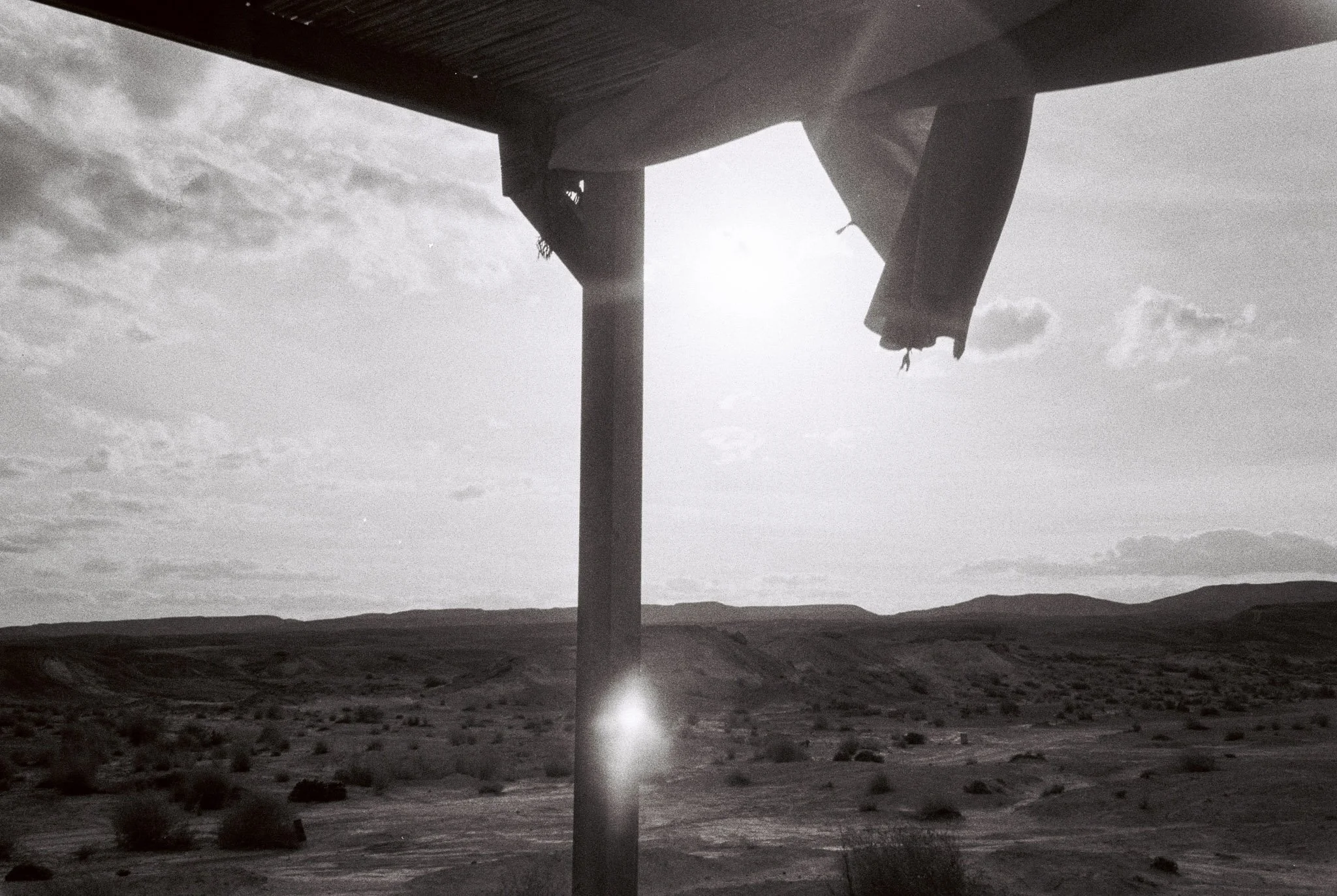
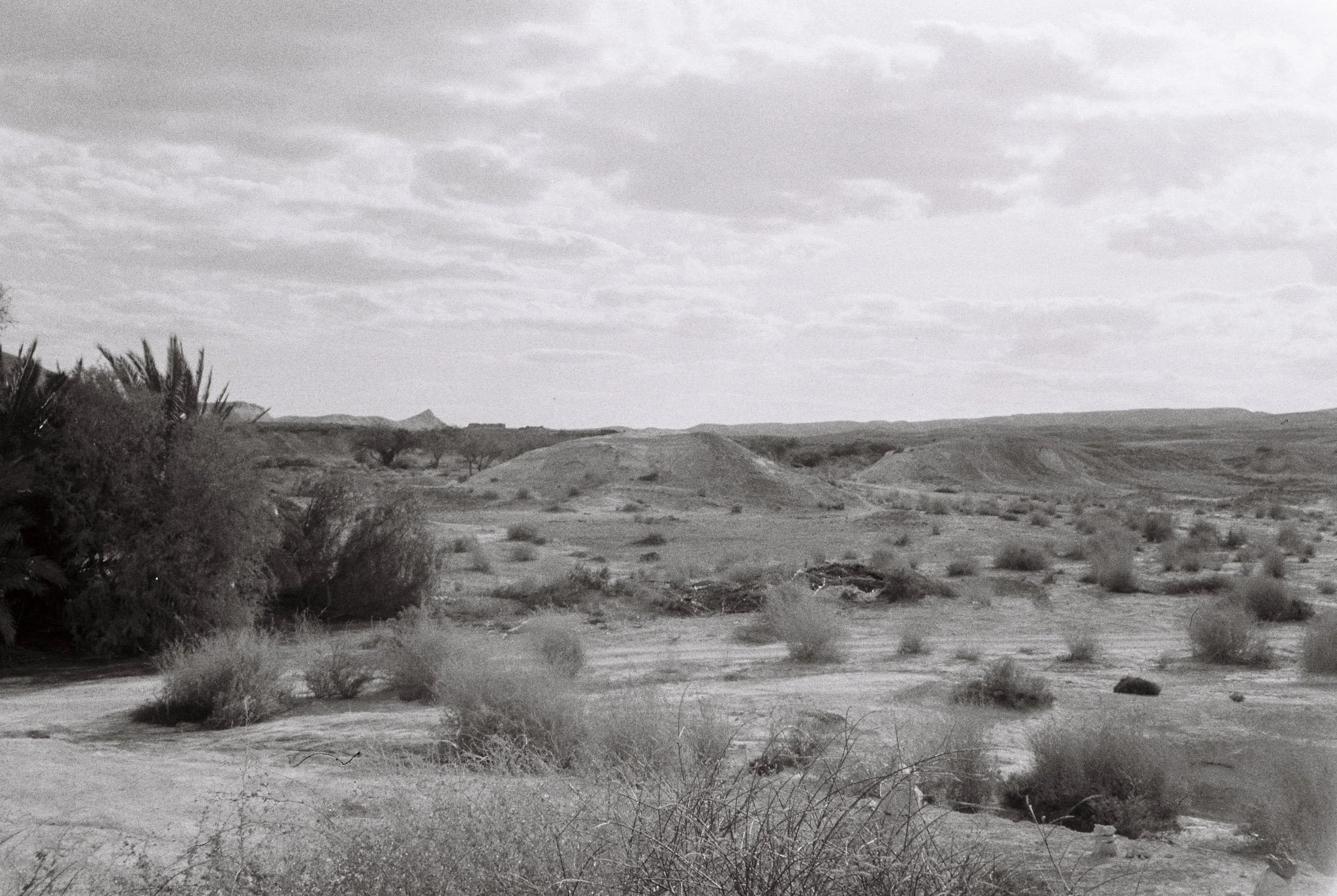
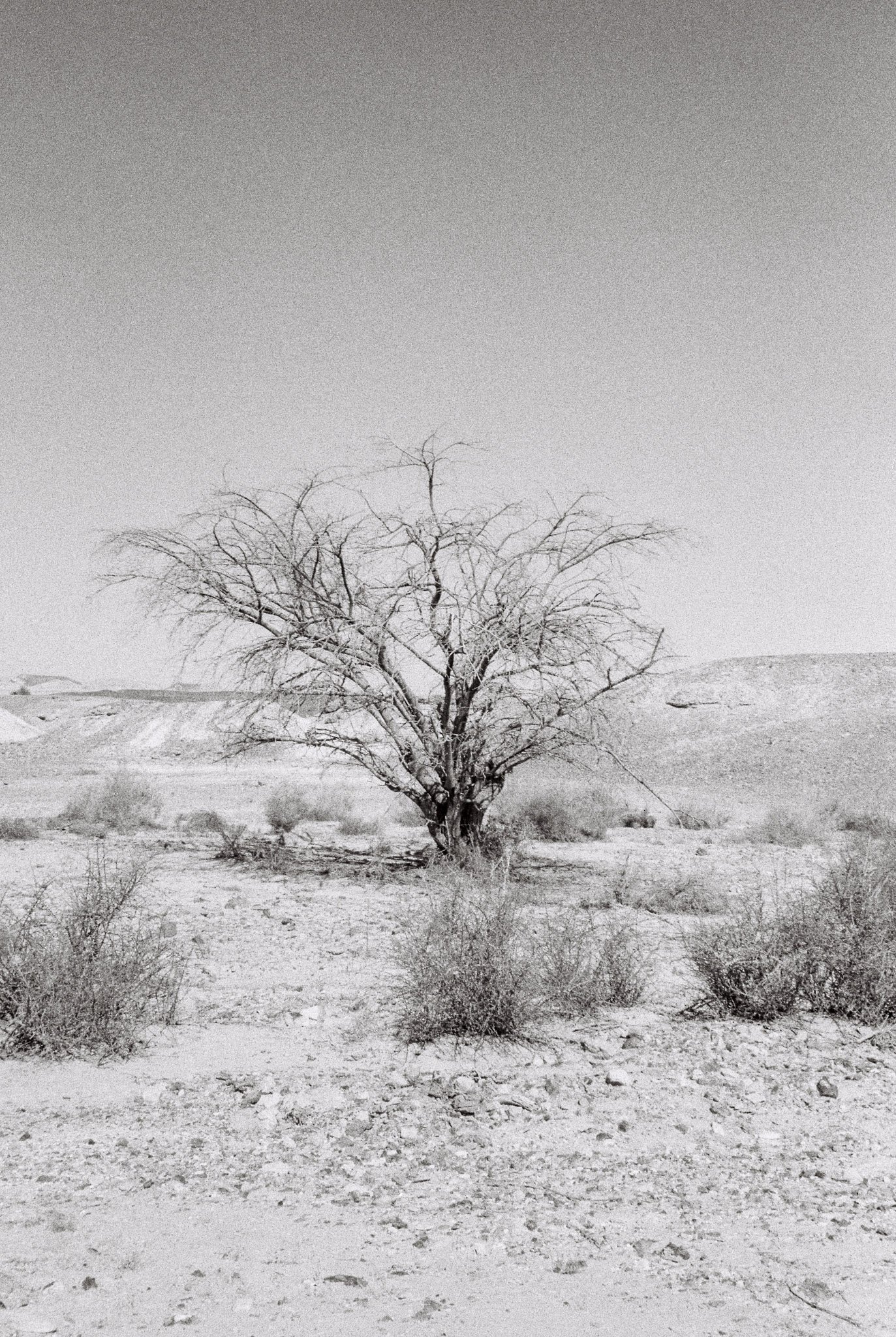
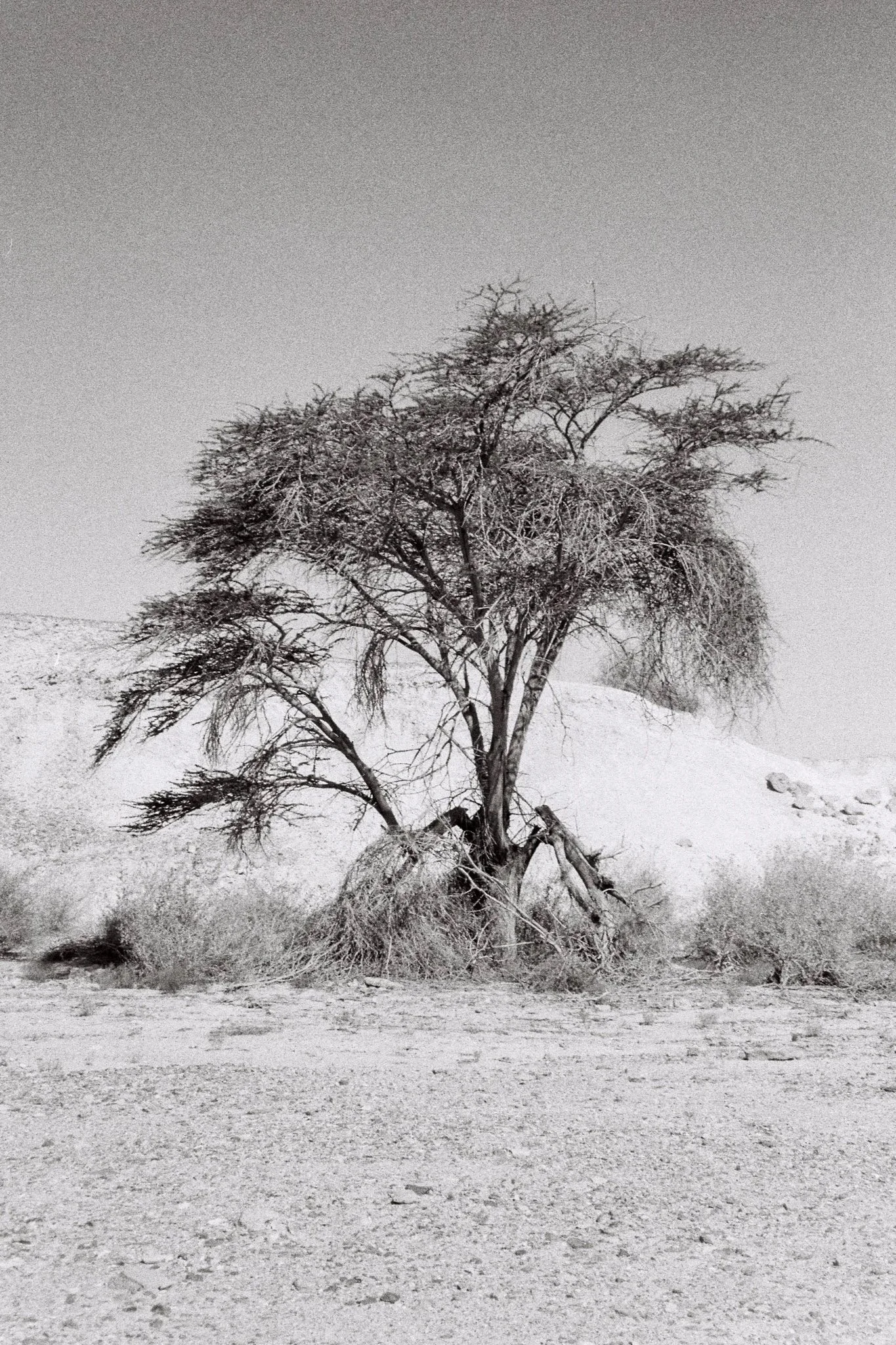
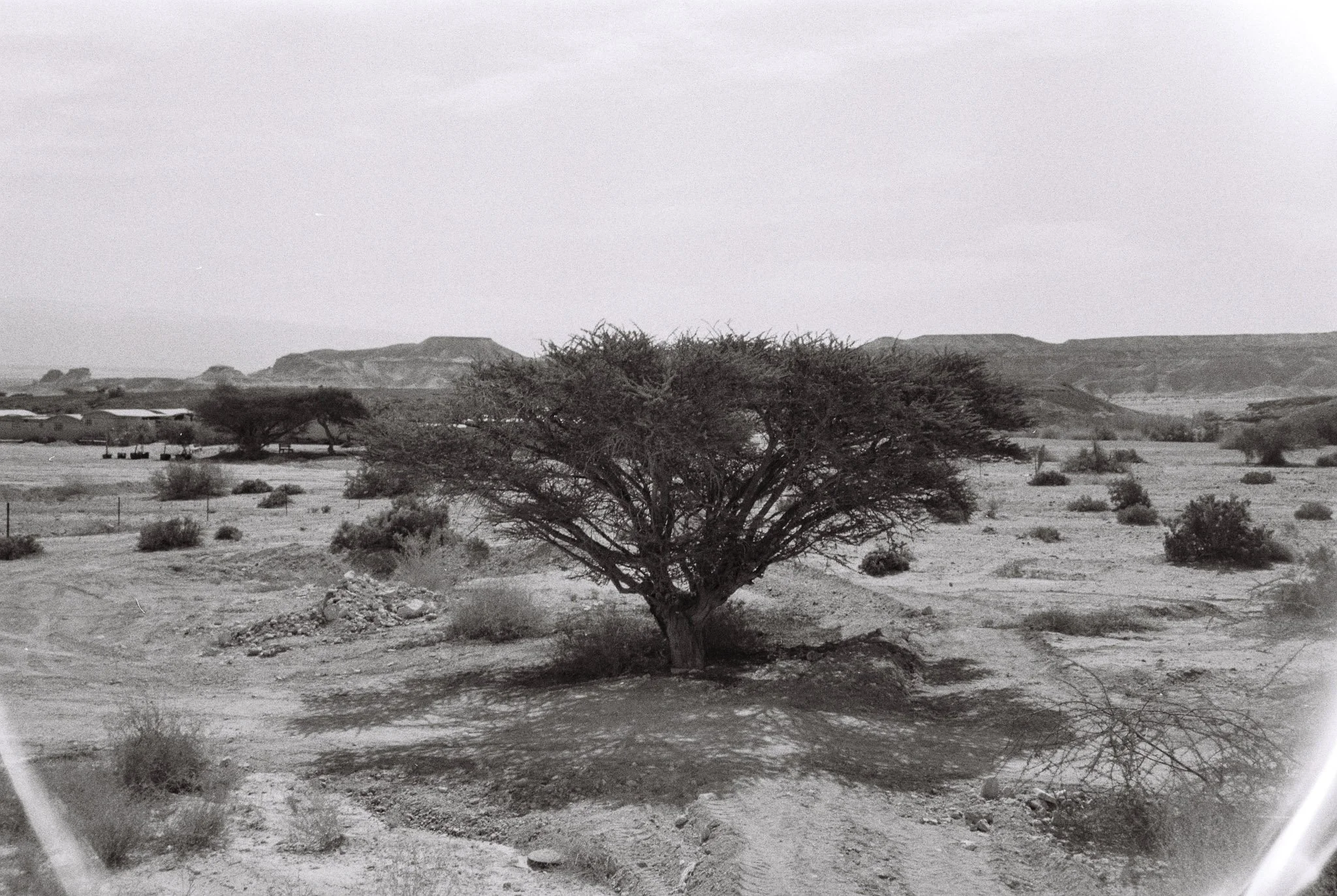
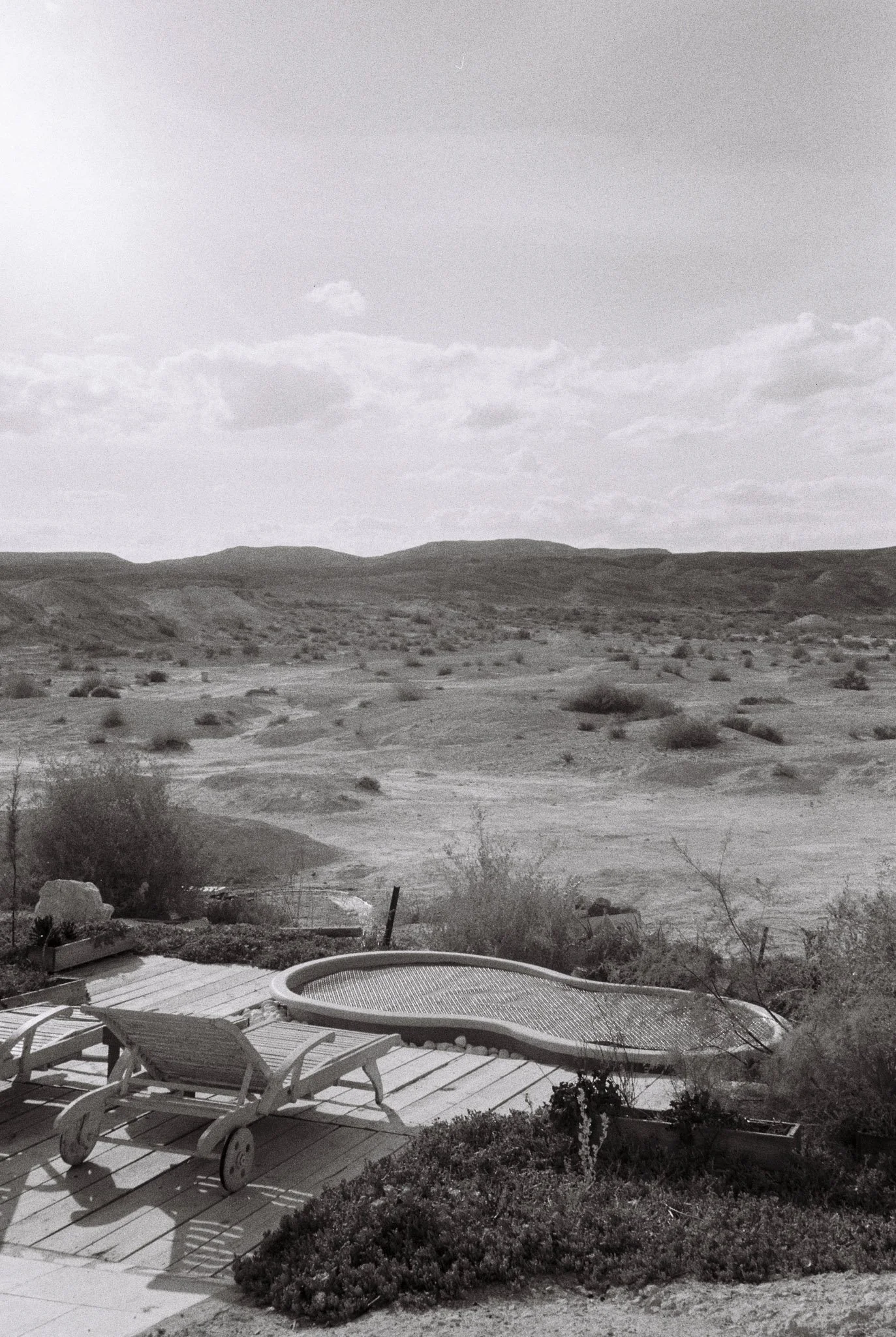
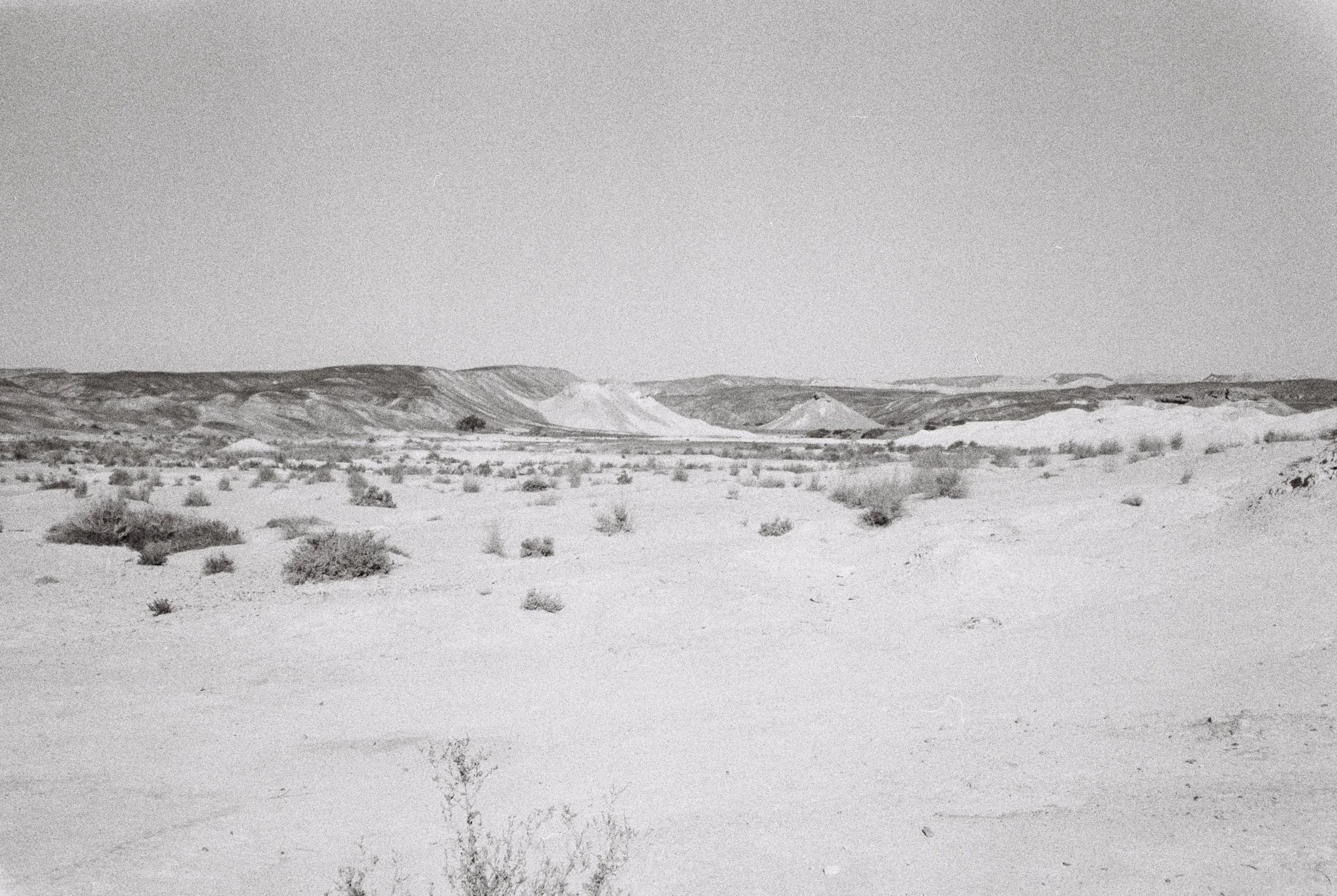
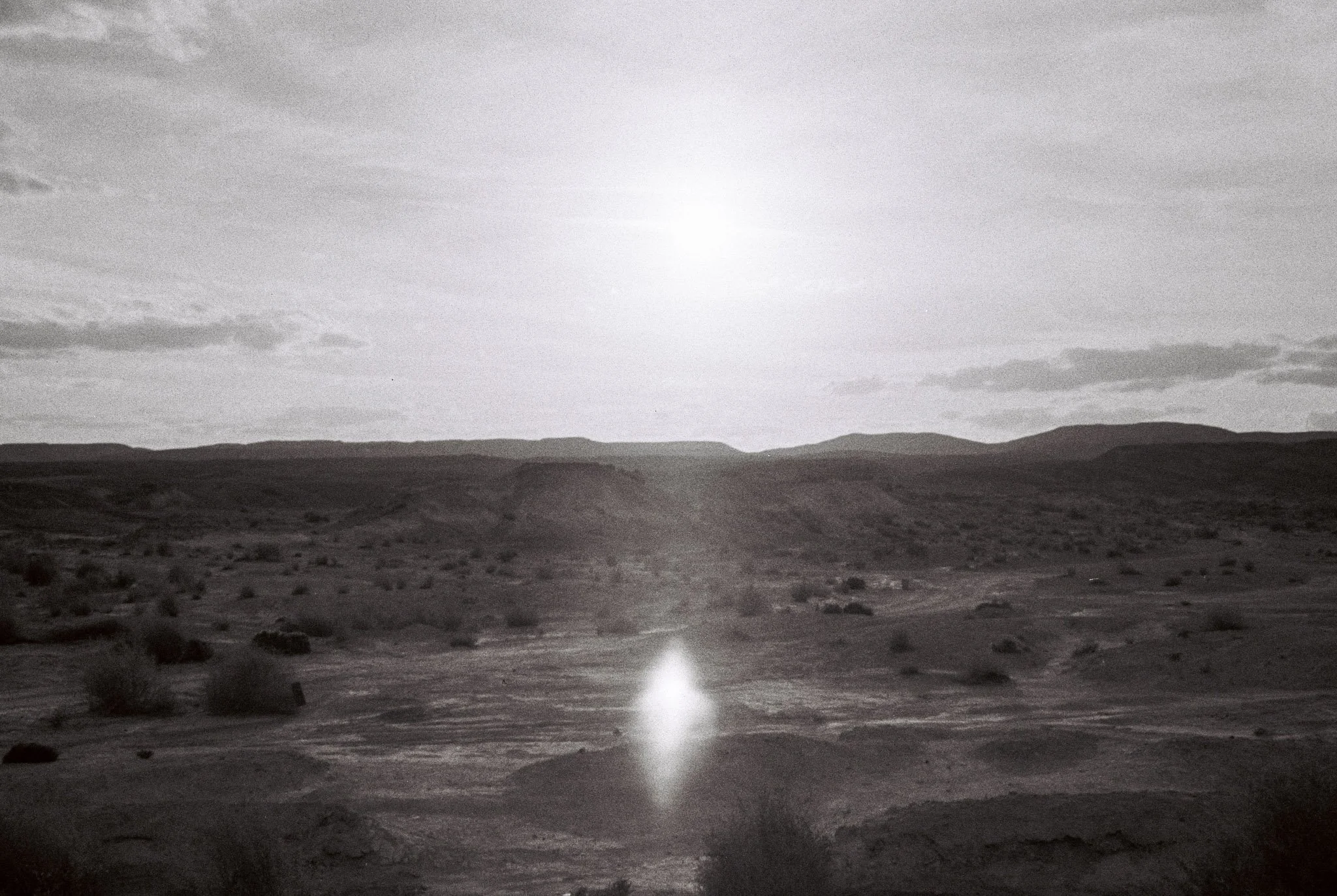
Recently, I stood at the bottom of the sea, close to 400m below. A vast and blisteringly bright space, not at all akin to the perceptions of many when thinking about the great depth of the ocean. I trod lightly in a place , once below sea level, where isolated trees have since rooted, and decayed. Swimming pools dot the space like an oasis on a landscape and humans can now inhabit one of earth's driest regions with an average annual rainfall of 25mm.
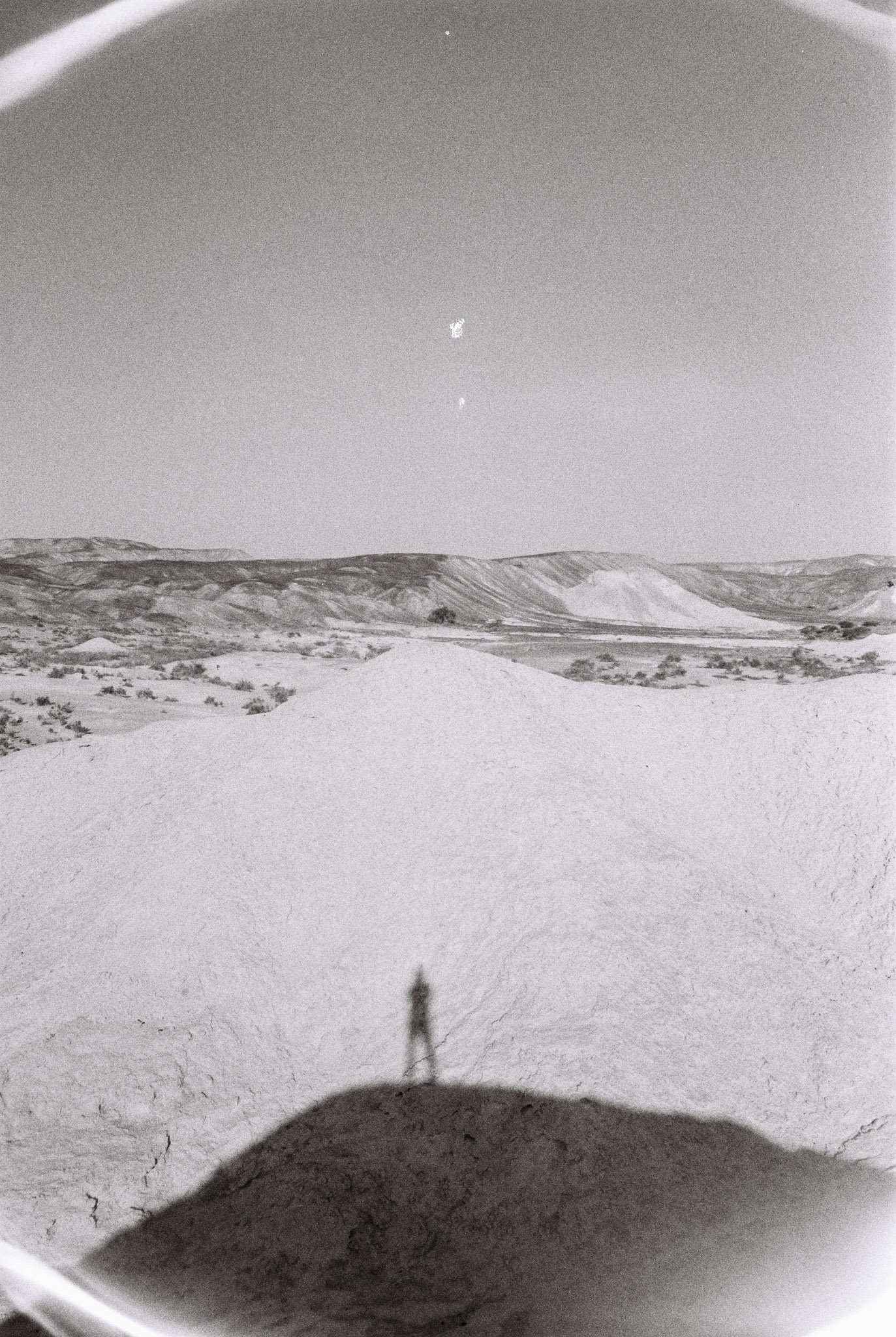
In this realism of speculative fiction, I stood, socks and sandals to shield my skin from the harsh desert sun, at the base of what had once been a very active sea, only 200 million years ago.
Each step we take in the world traverses a graveyard of past historical epochs. We build upon geological strata that chronicle previous endeavors of humans to inhabit this planet. Humans, who have existed for only 300,000 years on a planet that is 4.5 billion years old, have left their mark alongside the remnants of earlier attempts by other life forms to thrive on this planet. I felt confronted with two potential paths during my time at that sea-turned-desert locale.
One option was to gather evidence of its past as a sea and meticulously document it for future generations, an undertaking I opted not to pursue, leaving it to the realm of geologists or paleontologists. The other was to document the current utilization of the land by contemporary humans. This series is not the work of a geologist but of a research-based photographer who views everything before him as archaeological discoveries for the future.